How to Speak To Other Humans, Not Just Numbers
Learn how to create human-centered marketing that connects with real people, not just metrics, and turns data into meaningful, engaging messages.
Raluca Matei
June 8, 2026 3:30 PM
5 min read

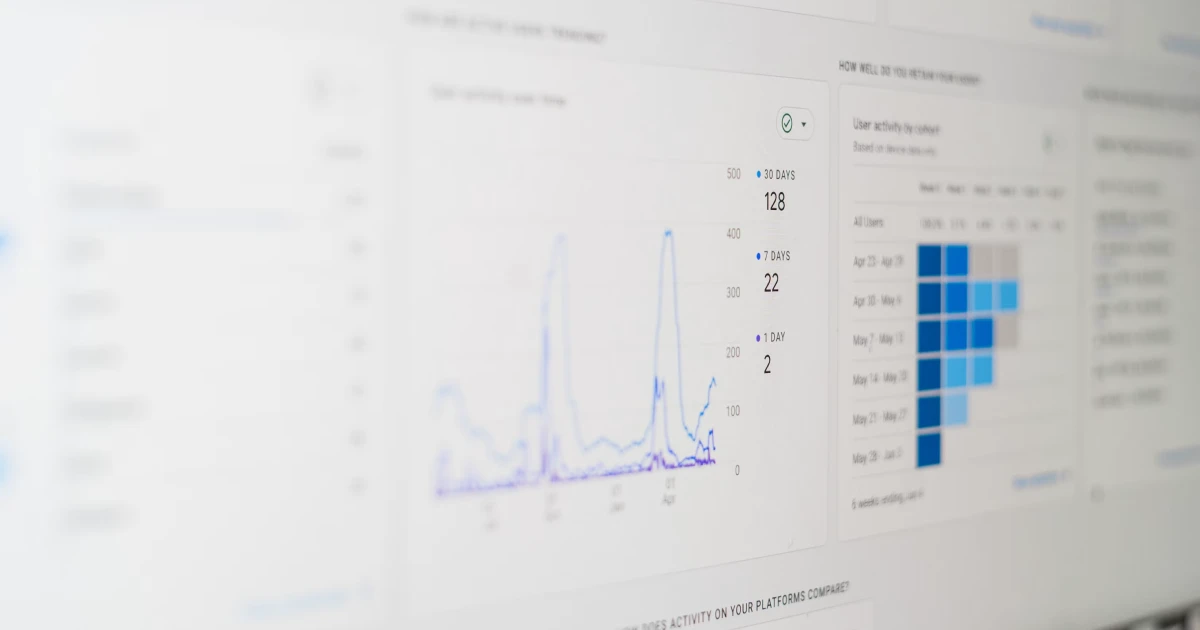
Marketing today often feels like a numbers game. Teams focus on dashboards, KPIs, and conversion rates, trying to squeeze better results out of every campaign. While data is important, this approach can make messaging feel cold and disconnected.
Campaigns become optimized for performance but lose the human touch that actually drives action. It is easy to forget that behind every click, view, or purchase is a real person with emotions, needs, and expectations. The most effective marketing does not just chase numbers. It speaks to people first and uses data to support that connection.
The Problem with “Marketing to Numbers”
Many marketing teams rely heavily on analytics tools like CTR, bounce rate, and impressions to guide their decisions. While these metrics are useful, they can easily become the main focus instead of the audience itself. Campaigns end up being optimized for performance on paper, but they often lack a real connection.
It’s important to note that when data drives everything, messaging can become overly segmented and generic at once, trying to appeal to everyone yet resonating with no one.
So, this is the reason why so many marketing asa feel kind of robotic, as if they were written for algorithms instead of people. The problem is that data can show what is happening, but it cannot explain why people truly care or what motivates them to act.
Why Human-Centered Marketing Works
Human-centered marketing works because people do not make decisions based on logic alone. In most cases, people buy based on emotions first and then use logic to justify their choice afterward. This is why trust, relatability, and authenticity are so important in marketing today.
It seems that when a brand feels real and consistent, people are more likely to engage with it and remember it. Storytelling plays a key role here because it helps turn a simple message into something meaningful and relatable.
Instead of pushing raw sales messages, storytelling creates a connection that feels natural and human. Emotional triggers like belonging, fear of missing out, and aspiration also influence how people respond to a message.
How to Speak to Humans
Speaking to humans in marketing starts with changing how you write and think about your message. One of the simplest ways to do this is to write as you talk. Use clear, conversational language and avoid corporate jargon that makes your message feel distant. Instead of saying “optimize your workflow,” say something like “save time every day.” It feels more natural and easier to understand.
Keep in mind that another important step is focusing on real problems. Many brands talk too much about features, but people care more about how something improves their lives. When you shift from product-focused messaging to user-focused messaging, your communication becomes much stronger and more relevant.
Another important step is storytelling, because it can play a big role even in small stories or simple scenarios. Storytelling can help people see themselves in your brand’s message. This can be used in ads, emails, or landing pages to make the content more engaging and memorable.
Remember that being specific as well as relatable is very important too. Try to use more real-life situations instead of vague claims. These will make it easier for users to connect with the brand’s message.
Balancing Data and Human Insight
Data still plays an important role in marketing, but it should be treated as a tool, not the strategy itself. Numbers can guide decisions, but they should not replace human understanding. To create more effective campaigns, it is important to combine analytics with real insights from people. This includes customer feedback, reviews, and user interviews, which reveal motivations, frustrations, and expectations that data alone cannot capture.
When you bring these elements together, you get a clearer picture of your audience. Data can show patterns and trends, while human insight explains the meaning behind them. The goal is not to choose between data and people, but to use data to refine and improve messaging that already feels natural, relevant, and human.
Raluca Matei
June 8, 2026 3:30 PM
5 min read
Recommended Articles