Why People Buy Things They Don’t Need?
Why do people buy things they don't need? Explore the psychology, marketing tactics, and emotional triggers behind consumer behavior.
Raluca Matei
July 9, 2026 3:56 PM
5 min read
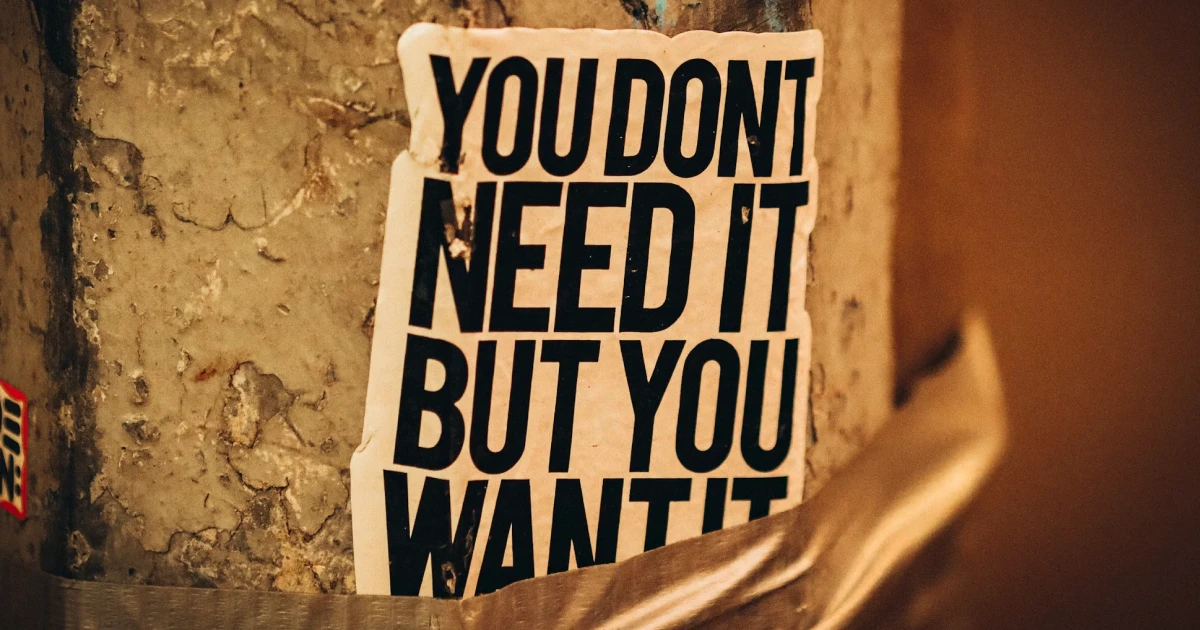
Let’s be honest with each other, everyone has at least one time opened an online store with the intention to just buy one thing, and ended up buying another 5 products.
Maybe it was a good limited-time discount that was so good to resist, ot a product that was being popular on social media. These situations happen more often than we like to admit.
The truth is that our purchases are not purely rational, because people don’t always buy because they need something, but because a marketing strategy is triggering them into thinking that they actually need a certain product.
These strategies vary in form, and can be, for example, a well–placed ad or a recommendation from an influencer. But, in many cases, the decision happens before the thinking even starts.
So, here is where psychology and marketing intersect, because people’s choices are shaped by how they feel in the moment, how products are presented to them, and how brands understand their purchasing behaviour. It might feel like a spontaneous decision, but it is carefully designed by marketing strategies.
Emotional Triggers Behind Buying Behavior
It’s important to mention that most buying decisions don’t start with logic; they start with an emotion, because a person will probably add something to their cart simply because they’re stressed, bored, or excited.
This behaviour is also called “retail therapy” when someone is trying to reward themselves with something to regulate their mood rather than fulfill a need. In these moments, the brain prioritizes feeling good over being practical, and impulse purchases become much more likely.
At the center of this behavior is the brain’s reward system. Every time we expect something enjoyable, like getting a new product, the brain releases dopamine. This creates feelings of pleasure and excitement. Because of this, the act of buying can feel rewarding even before the product arrives.
If we think from a marketing perspective, this is very powerful, because people are also reacting to emotions, not just to products. It seems that successful brands understand this behaviour very well, and they try in their marketing campaigns to focus less on the product itself, and more on emotions, and how people feel.
The Role of Marketing and Advertising
Modern marketing has made shopping more personalized and persuasive than ever before. Every day, consumers are exposed to ads that are carefully tailored to their interests, online behavior, and past purchases.
After viewing a product once, many people encounter it again through retargeting ads across websites and social media platforms. This repeated exposure can make a product feel more familiar and desirable over time.
Social media also plays a major role in influencing buying decisions. When influencers, celebrities, or everyday users recommend a product, it creates a sense of trust and social proof. So, users are more likely to buy something when they see other people using it and enjoying it.
But marketers also have some tactics that they use, such as “limited time offer” or “only what's left in stock,” to create this sense of urgency for people.
Marketing does more than simply inform people about products. It influences how products are perceived, creates emotional connections, and motivates consumers to act, even when a purchase was never part of their original plan.
Social influence and comparison
The people around them naturally influence humans, and this plays a major role in purchasing decisions. It’s important to mention that social media platforms and content creators are exposing daily curated lifestyles, making people compare themselves with those lives. When we see friends, influencers, or celebrities using certain products, we may feel pressure to keep up or fit in.
This is often driven by FOMO, or the fear of missing out. People worry that they are missing a trend, opportunity, or lifestyle that others seem to be enjoying. As a result, they may buy products not because they need them, but because they want to feel included or accepted.
How Digital Platforms Make It Easier to Overbuy
Technology has made shopping faster and more convenient than ever, but it has also made it easier to make unplanned purchases. Features like one-click buying, saved payment details, and fast checkout remove many of the small steps that once gave people time to reconsider a purchase.
E-commerce websites also use personalized recommendations, such as "You may also like" or "Frequently bought together," to encourage customers to add more items to their carts. Subscription services and auto-renewals make it easy to keep paying for products or services without actively making a new decision each month.
While consumers like to believe their purchases are based on logic, the reality is that feelings, habits, and subtle marketing techniques often play a much bigger role.
For businesses and marketers, this knowledge can be used to create more relevant and engaging customer experiences.
Raluca Matei
July 9, 2026 3:56 PM
5 min read
Recommended Articles