The Power Of Storytelling Steve Jobs Taught Us
Learn how Steve Jobs used storytelling to inspire, connect, and create marketing that makes people feel and remember your brand.
Cristi Fonea
May 26, 2026 4:50 PM
5 min read
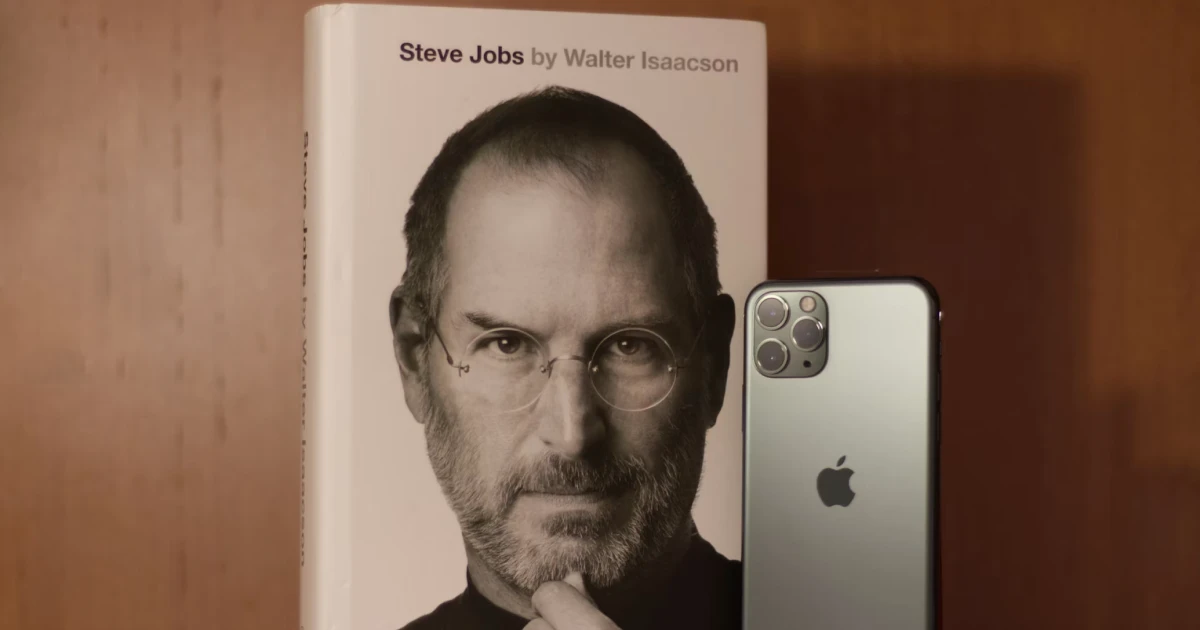
It’s true that right now the digital space is a little bit crowded, because everyone wants to grab users’ attention with every possible method. But storytelling has been proven to be one of the most powerful tools in digital marketing, because it can help a brand connect and build trust while remaining memorable.
Only a few people understood this approach better than Steve Jobs, a man who turned product launches into some great experiences that people would never forget.
Steve Jobs’s approach was not only focused on selling products, but was focused on creating meaning. And this is why marketers today can learn a lot from the way he used stories to inspire and influence audiences.
Why Does Storytelling Work In Marketing?
Storytelling works in marketing because it speaks to how people naturally think and feel. Usually, humans are used to understanding everything through stories, because it makes them more curious and makes the whole thing easier to remember later.
It’s important to note that a well-told story can create an emotional connection, while plain facts often get ignored. Data can indeed inform, but stories stay with people long after they have seen an ad. This is why brands that focus only on features and numbers often struggle to stand out.
Steve Jobs understood this approach deeply. He not only presented products, but he also gave them meaning and made people feel part of something bigger.
Steve Jobs’ Approach to Storytelling
Steve Jobs approached storytelling in a way that transformed how products were presented. Instead of focusing only on features, he placed each product within a larger narrative that people could understand and relate to.
In his stories, Steve always started with why the product matters for users instead of explaining what exactly it does, because this way he helped the audience see the true purpose of the product. When explaining its features and capabilities, users are only amazed by the big words of the story, but they don’t really understand why it matters to them, and why they need it in their lives.
His messaging was simple, clear, and easy to follow, which made it far more impactful. Rather than overwhelming people with technical details, he focused on how the product would make them feel and how it could improve their lives.
A great example is the launch of the iPhone. He did not introduce it as just another phone with new features. Instead, he described it as “an iPod, a phone, and an internet communicator”, turning it into a story that captured attention and imagination.
Core Storytelling Principles from Steve Jobs
Steve Jobs followed a set of storytelling principles that are still highly relevant for marketers today. His approach was simple, but very intentional.
- Start with a strong narrative
Begin with a clear narrative structure. A compelling story has three key parts: a beginning that shows the problem, a middle that presents the solution, and an ending that highlights the transformation. Steve Jobs used this approach in his product launches, turning each presentation into a journey instead of just a list of features. Marketers can use the same method in campaigns, landing pages, and ads to make their messages more engaging and memorable.
- Focus on the audience, not the product
Jobs made the user the center of the story. The product was just a tool that helped them achieve something better. This is an important shift in mindset. Your brand should act as a guide, not the hero.
- Simplicity wins
One of his greatest strengths was clarity. He removed unnecessary details and focused on one key message at a time. This made his presentations easy to follow and remember.
Storytelling is more than a marketing tool. It is a competitive advantage. Steve Jobs did not just sell products; he created movements that inspired and connected with people on a deeper level. The key lesson for marketers is that great marketing is not about pushing features or making a sale. It is about creating experiences that make people feel something and remember your brand long after the campaign ends.
Cristi Fonea
May 26, 2026 4:50 PM
5 min read
Recommended Articles